
Plus 30 Journal · Art / Contemporary art
EMST brings us into the present
Inside the former Fix brewery, Athens makes room for the images and questions of its own time.
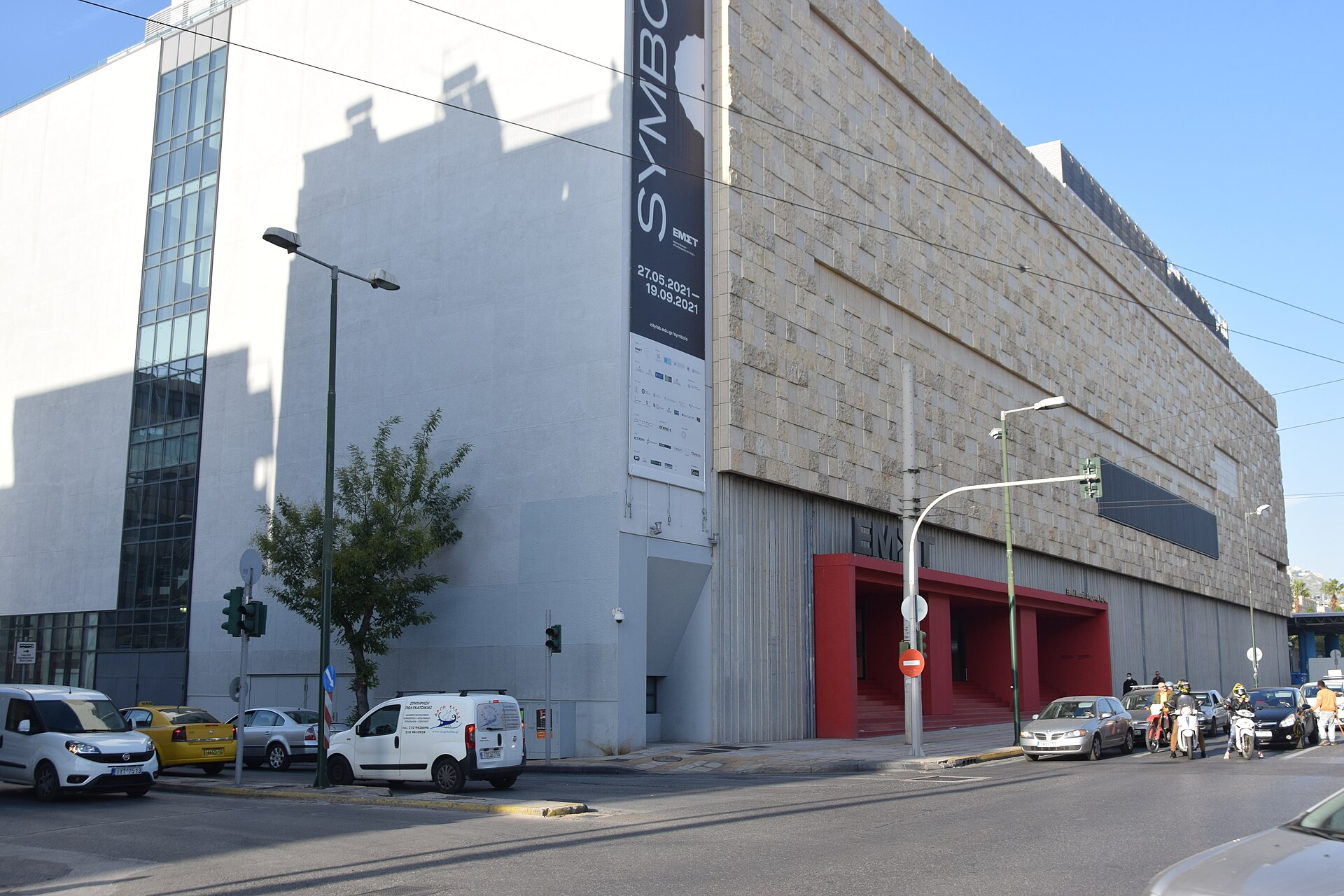
You can leave an exhibition carrying a single image. You may forget most of the titles while returning to a gesture, a surface or an unresolved question. For a first encounter with the National Museum of Contemporary Art in Athens, that small shift in attention is a good beginning.
EMST occupies the former Fix brewery. Its redesign by Takis Zenetos, working with Margaritis Apostolidis, was completed in 1961. Abandonment, partial demolition and a long conversion followed. The museum’s own chronology marks 2020 as the point when it opened to the public with its permanent collection, exhibitions and activities.
A visit without a ready-made answer
In its published mission, EMST connects contemporary art with public discussion. It places Greek artistic production in an Eastern Mediterranean context and addresses questions including equality, the environment and technology. That position offers a way to think about Greece through the relationships shaping its present.
In front of a work, start with what you can actually see. What is it made from? Where does the room place you in relation to it? What changes when you read the label? Information adds another layer to the initial encounter. Agreement with a work is not a condition of giving it some time.
The building deserves a similar double reading. The 2021 photograph places it among traffic, overhead wires and signals. Its reuse makes sense within that continuity: a place of work receives different people and activities while retaining a recognisable trace. The museum belongs to the moving city around it.
Choose something in the current programme that challenges your expectations a little. Before leaving, write down one detail. The most interesting continuation of the visit may arrive later, when a work returns to your thoughts during an otherwise ordinary day. That is a modest but meaningful way for a museum to become part of everyday Athens.