Plus 30 Journal · Design / Materials
The next life of a material
Thessaloniki’s Print Your City pilot brought recycling, digital fabrication and public space into one conversation.
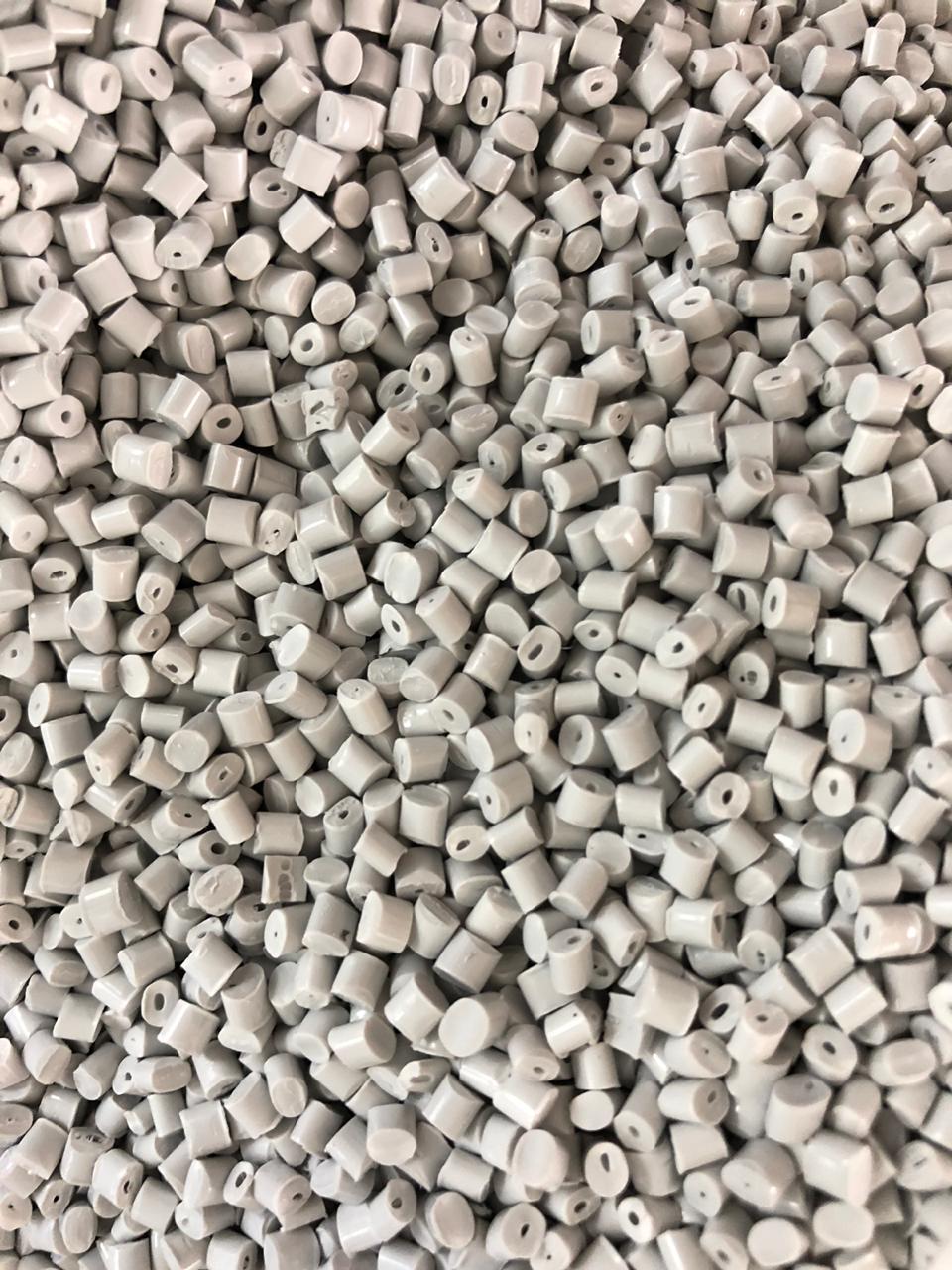
When does an object’s life end? The answer changes when we begin to see it as material. A particular shape can disappear while its substance remains available for another construction. The interesting work sits between those two states: collection, processing, design and a useful new purpose.
In 2018, The New Raw established the Zero Waste Lab in Thessaloniki as part of its first full-scale Print Your City pilot. The public laboratory combined on-site recycling facilities with a robotic arm. Visitors were invited to bring plastic waste and take part in designing urban furniture.
Who decides how we sit?
The Hanth installation in 2019 carried that approach into public space. A digital platform allowed residents to customise furniture with additional uses, including a planter, bicycle rack or bookcase. The studio’s project record identifies recycled polypropylene as the material. This is a design experiment from 2018–2019, not an announcement of a currently available participation programme.
What interests us is the link between two questions often discussed separately: what can be done with a material, and what does a square need? A construction’s value also depends on its use. Is it comfortable? What maintenance does it require? Can it be repaired? Does it keep serving people once the novelty of the production method has faded?
For Plus 30, the project opens a conversation about the responsibilities of design after its first striking image. Recycled feedstock provides a starting point. Durability, care and another future use remain questions for every object, whether it occupies a city square or our own table. Looking at those questions together makes the material story more demanding, and more useful, than a simple before-and-after photograph.