
Plus 30 Journal · History / Everyday life
At Dodona, someone was asking about work
Small lead tablets bring us closer to antiquity through the decisions people had to make.
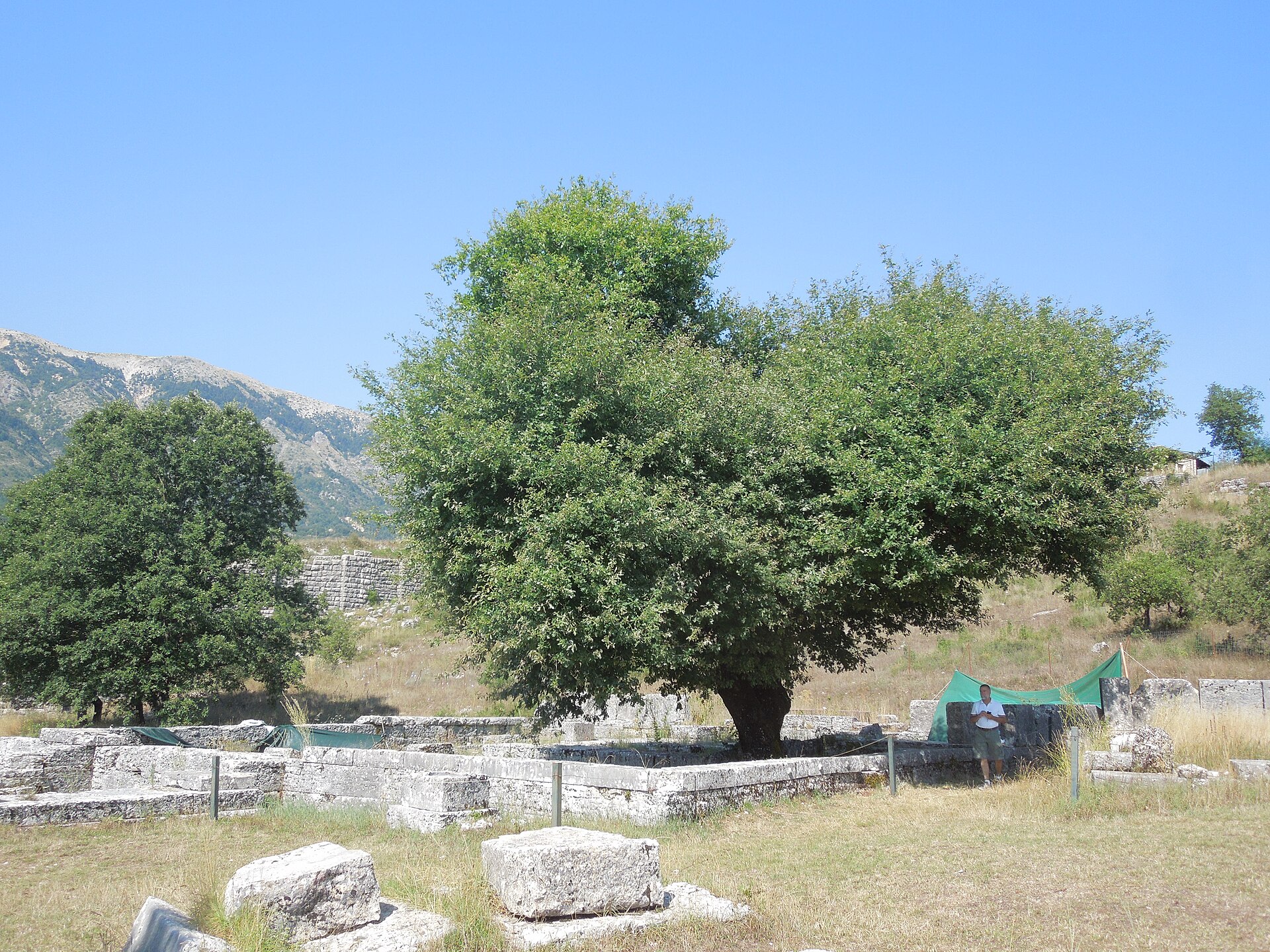
Antiquity often meets us on a monumental scale: temples, theatres, statues. Dodona also offers a much smaller scale, that of a question inscribed on a thin piece of lead. Someone had a decision to make and left a trace of that uncertainty.
The National Archaeological Museum presents a tablet from the fourth–third century BCE on which a merchant or craftsman asks about his professional future. He wants to know whether continuing to travel and trade while practising his craft will benefit him. The inscription preserves a practical dilemma rather than a heroic narrative.
Small surfaces, unfinished business
The oracular tablets form a distinctive body of written evidence. Greece’s Ministry of Culture records their inscription in UNESCO’s Memory of the World programme in 2023 and their display at the Archaeological Museum of Ioannina. They concern people seeking guidance on matters in their lives within the religious framework of their own time.
Reading them remains a scholarly task. Dodona Online presents work on critical editions and the study of these inscriptions. Damage, different scripts and incomplete texts mean that an ancient voice does not always reach us intact. Care is needed before turning an archaeological object into an easy contemporary slogan.
Even so, the question about work creates a sense of proximity. It allows us to consider a person before a decision: what they know, what they suspect and what they hope. The centuries between us remain. Our attention simply shifts from the imposing monument to the small act of writing.
Perhaps the most useful thing to carry away from this story is a habit of looking at small surfaces. A name, a line or a question can preserve something of the life that does not fit comfortably into a grand historical account. At that scale, an object becomes a reason to pay closer attention.